Table of Contents
- Convert 3000 Chinese Yuan To US Dollars Today
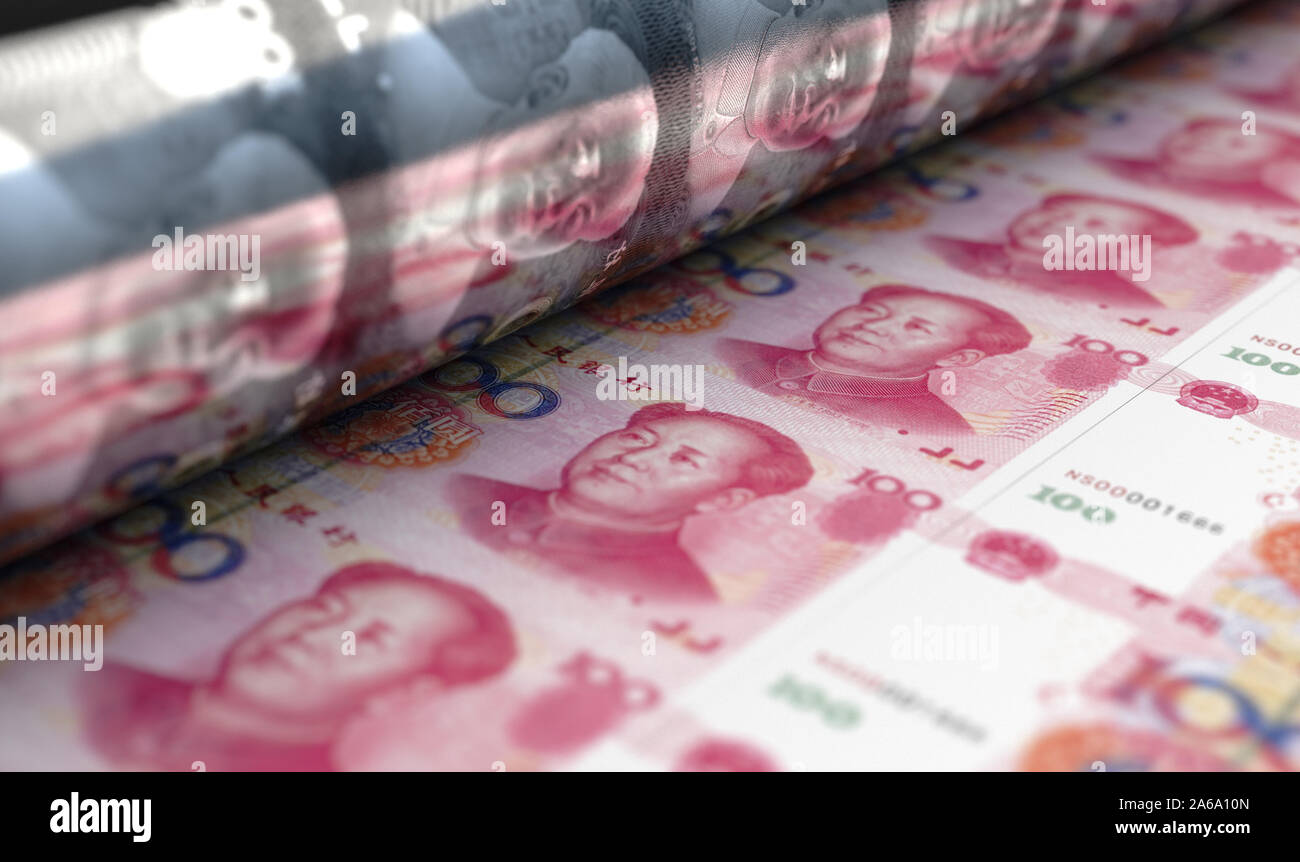
- A concept image showing a sheet of Chinese yuan renminbi notes going ...
- China’s yuan takes first big swing in wider band
- China's renminbi share of global payments up in August: SWIFT - CGTN
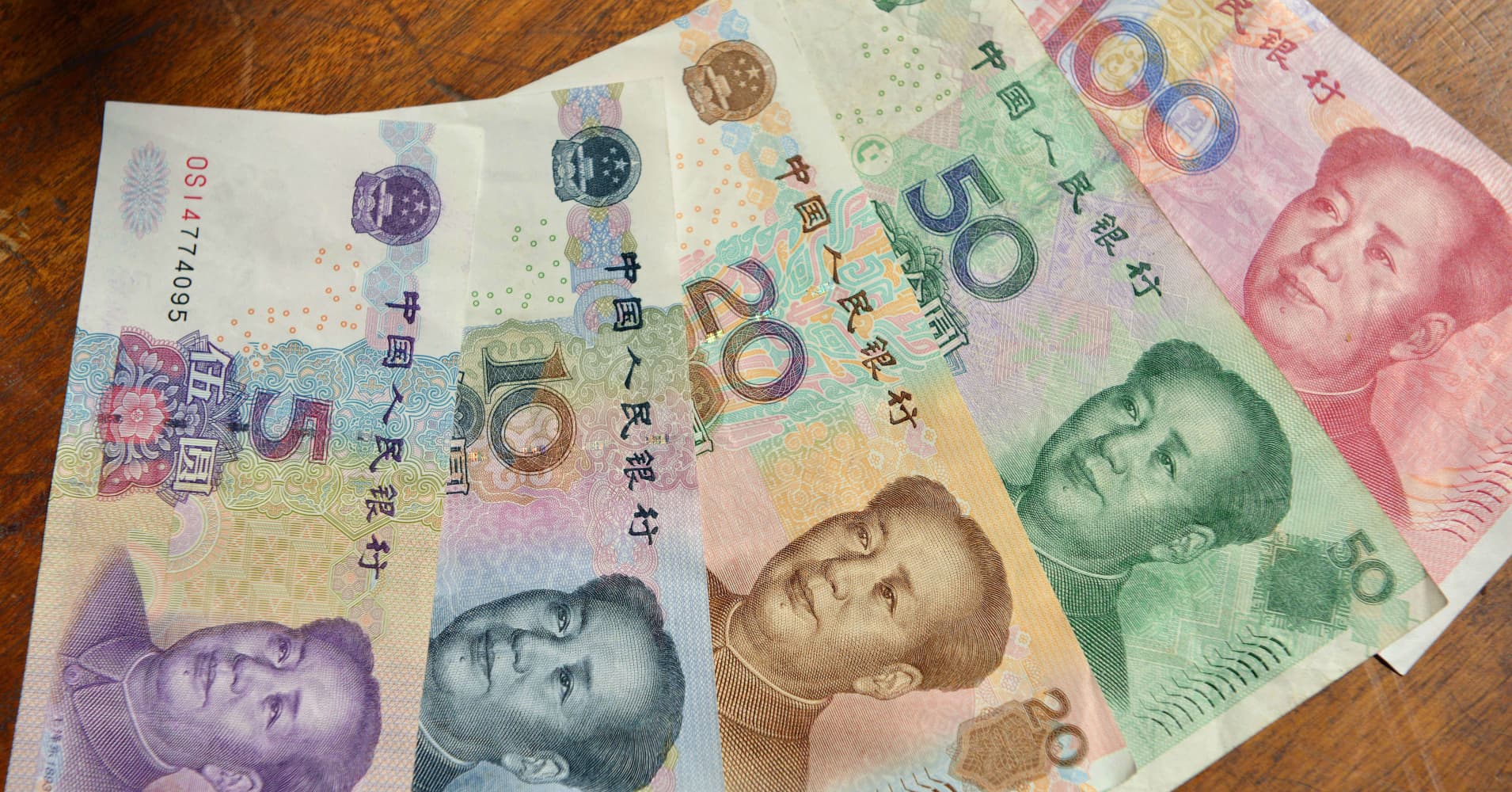
- Selection of Chinese yuan renminbi notes. The yuan or renminbi currency ...
- China - 24 banknotes Renminbi Yuan - various dates - Catawiki
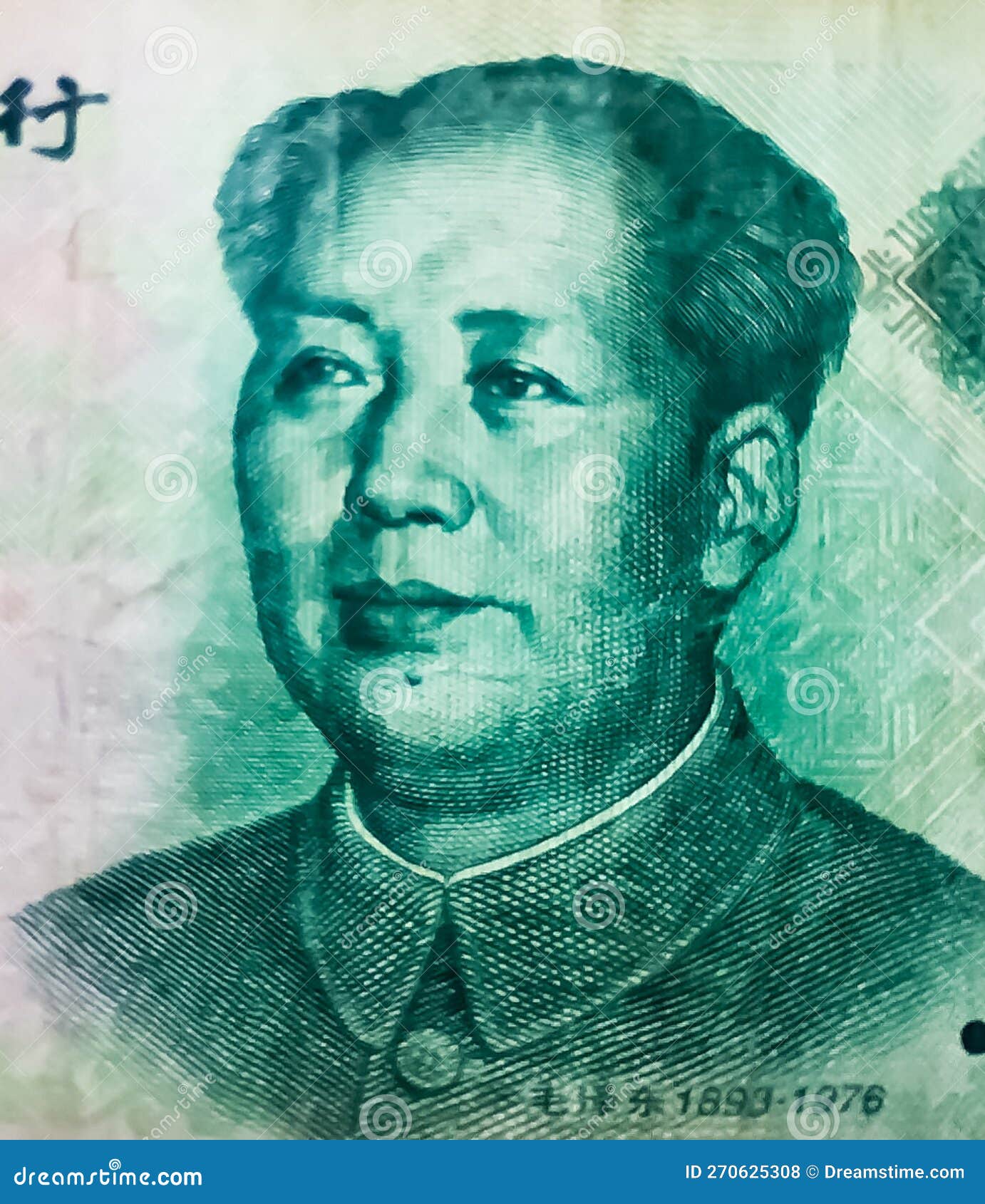
- Close Up Photo of Yuan Renminbi. Stock Photo - Image of renminbi, close ...
- A concept image showing a sheet of Chinese yuan renminbi notes going ...
- Get your Chinese Yuan Renminbi Currency Card | Travel Money Card for ...
- 1 Yuan 2016, Republică Populară - 1999-2017 (1, 5 Jiao, 1 Yuan) - China ...


History of the Yuan

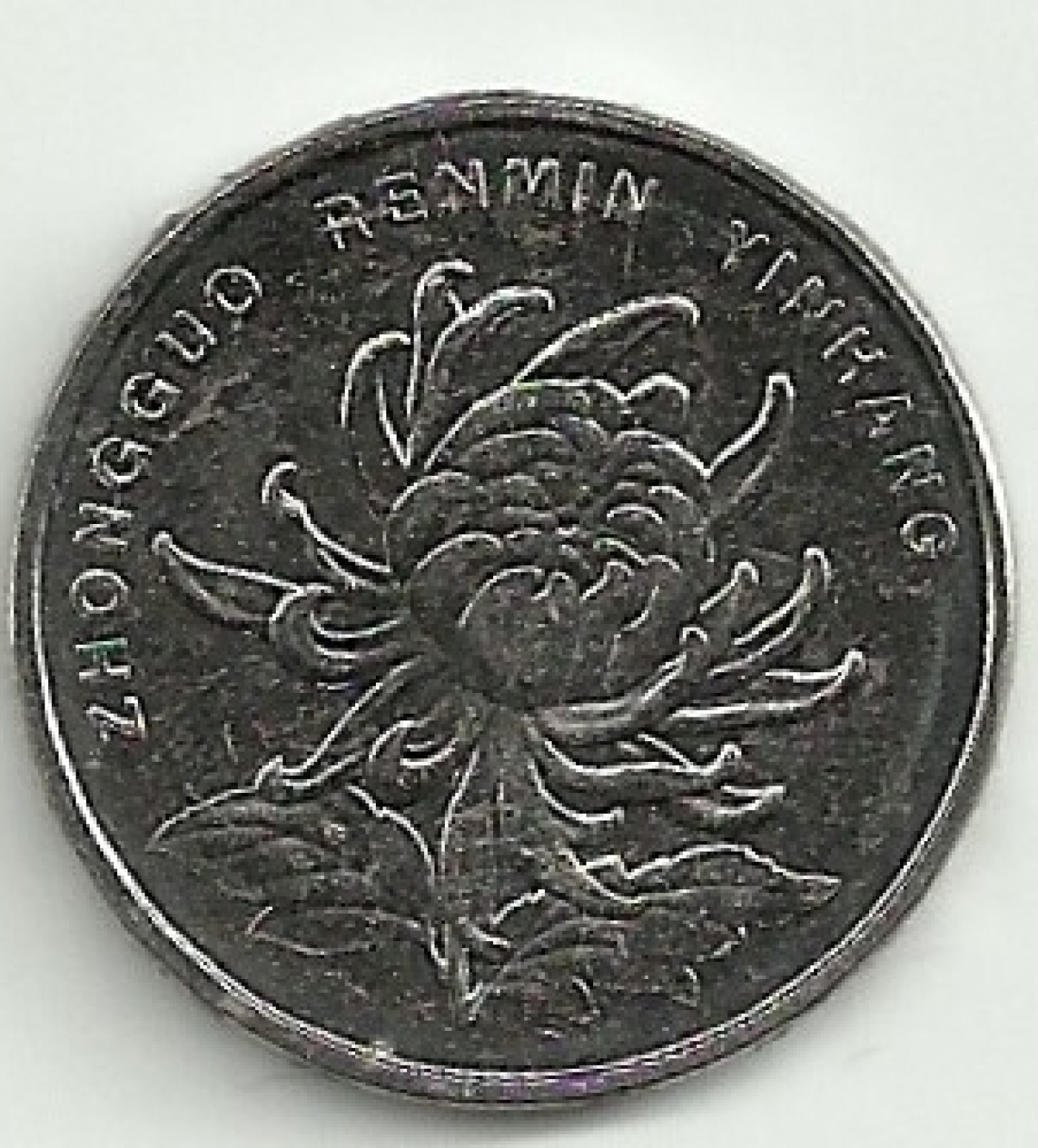
Characteristics of the Yuan

Uses of the Yuan
The yuan is used in various ways, including: Domestic transactions: The yuan is the official currency of China and is used for all domestic transactions, including buying and selling goods and services. International trade: The yuan is used in international trade, particularly in trade with China's major trading partners, such as the United States, the European Union, and Japan. Investment: The yuan is also used as an investment currency, with many investors buying yuan-denominated assets, such as bonds and stocks.
Impact on the Global Economy
The yuan has a significant impact on the global economy, particularly in the following ways: Trade: The yuan's value affects China's trade balance, which in turn affects the global trade balance. Investment: The yuan's value also affects investment decisions, as investors seek to take advantage of the currency's fluctuations. Global currency markets: The yuan's value affects the value of other currencies, particularly those that are pegged to the US dollar. In conclusion, the Chinese yuan is a significant currency that plays a crucial role in international trade and finance. Understanding the yuan's history, characteristics, and uses is essential for businesses, investors, and individuals who engage in international trade and investment. As China continues to grow and integrate into the global economy, the yuan is likely to play an increasingly important role in shaping the global economic landscape.For more information about the yuan, visit Yuan (currency) - Wikipedia. The yuan's impact on the global economy is significant, and its value affects trade, investment, and global currency markets. As the world's second-largest economy, China's currency is an essential part of the global financial system.
Whether you're a business owner, investor, or simply interested in international finance, understanding the yuan is crucial for navigating the complex world of global trade and finance. With its rich history, unique characteristics, and significant impact on the global economy, the yuan is a fascinating topic that continues to shape the world of international finance.